
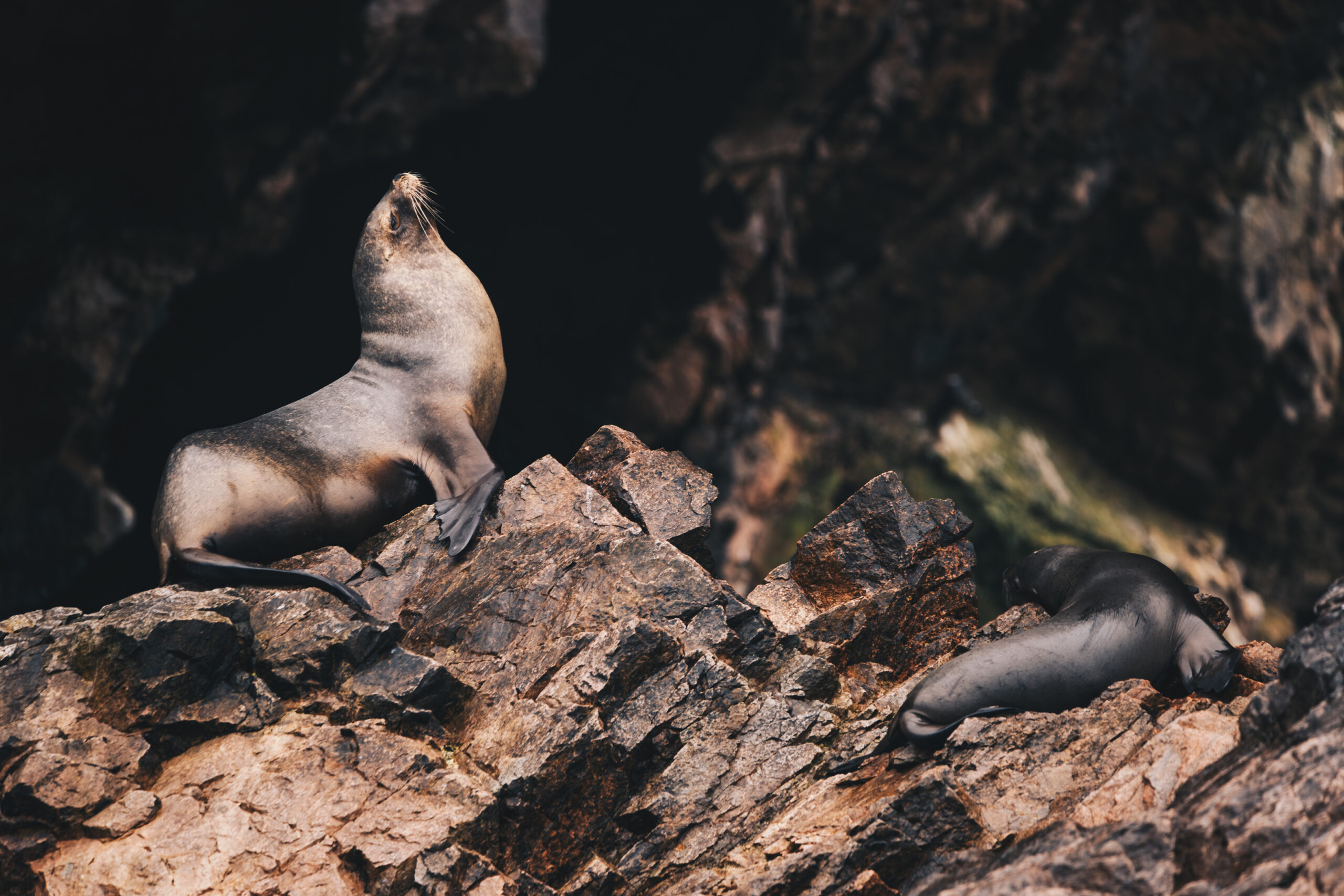
We're taking you with us to the marine mammal world tonight. From this article, you will learn how to distinguish seals from sea lions, how to distinguish between a male and a female of this species, where they can be encountered, and how different sounds they sound depending on the situation. Ahoy sea adventure!
Our trip to Islas Ballestas
8:30 – Peruvian coast near the city of Paracas. We are on our feet from 3:30 because at 4:00 a.m. our bus from the capital of Peru, Lima, was leaving for the Paracas bus, which is almost 4 hours away, where the motorboats sail to Islas Ballestas. We are located on one of these boats to see the animals that liked this piece of land on their home. We approach one of the islands, and we see many species of birds flying, sitting on rocks and snorting. In the distance on the lower rocks of our eyes appears the figure of a powerful animal. He bends his head back with a beautiful look. Next to the rock lies another individual, looks like he's taking a midday nap. The speakers connected to the microphone mounted on the motorboat produce sound.
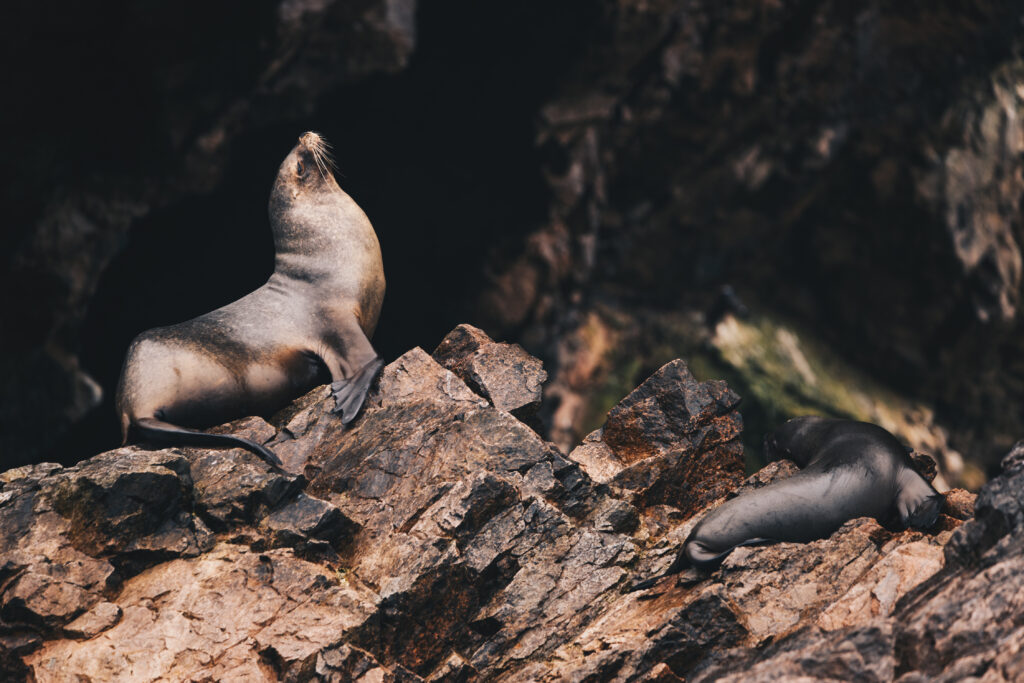
– No son focas! (These are not seals!) – shouts through the microphone of the tour guide, and at the same time through the same insanely conquered sound of the gizmo, communicates to us, also shouting that we should be quiet, because we will scare the animals.
We're looking at each other confused because what we can do. There are about 40 other people on the boat with us. We do not know whether they were surprised by these conflicting messages, or whether they were so affected by the animals constantly appearing before our eyes that they did not pay attention.
As soon as we get back, when we watch the videos and pictures of this trip, it still sounds like, "No son focas!"
So what sea animals like seals can we meet on the western coast of South America?
On the islands of Islas Ballestas near Peruvian city of Paracas you can see South American sea lions (Otaria flavescens), also called Southern earrings or Patagonian earrings.
How to distinguish sea lions from seals?
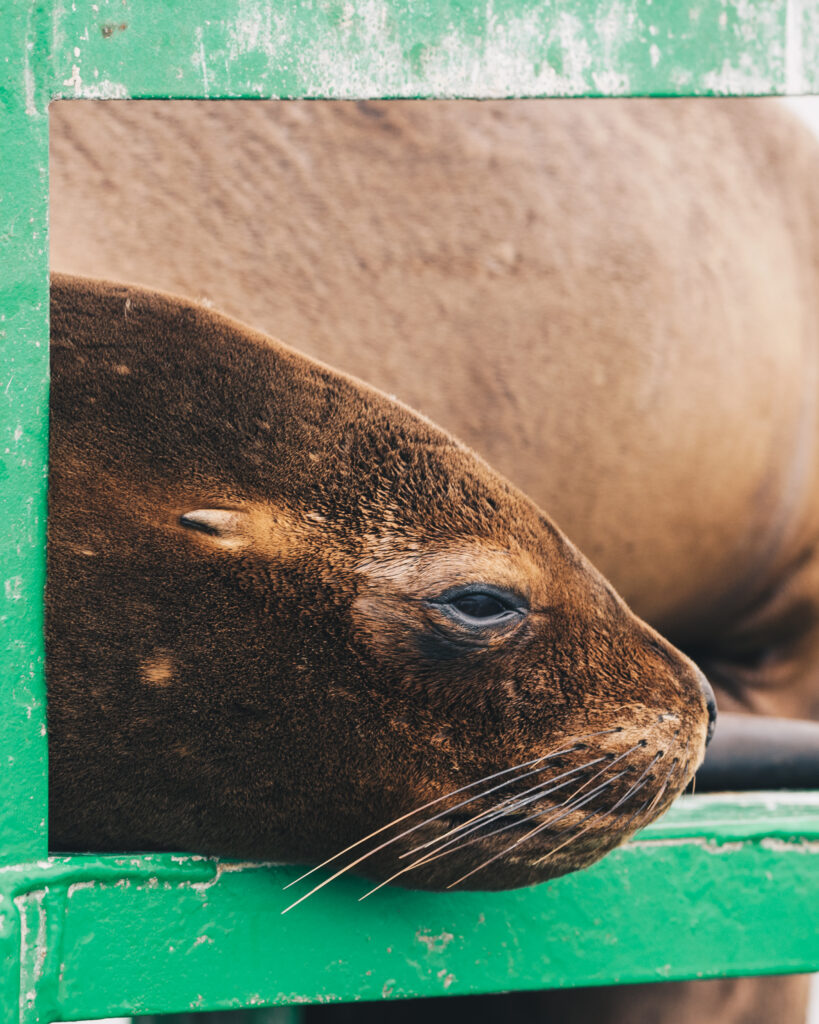
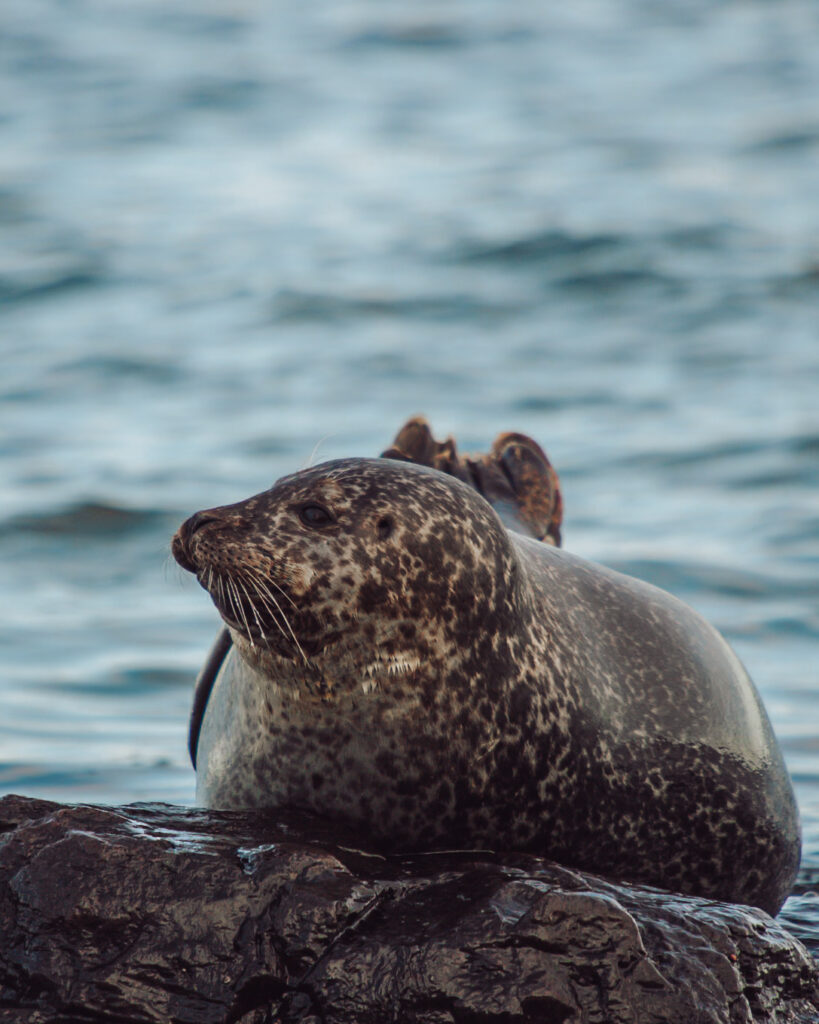
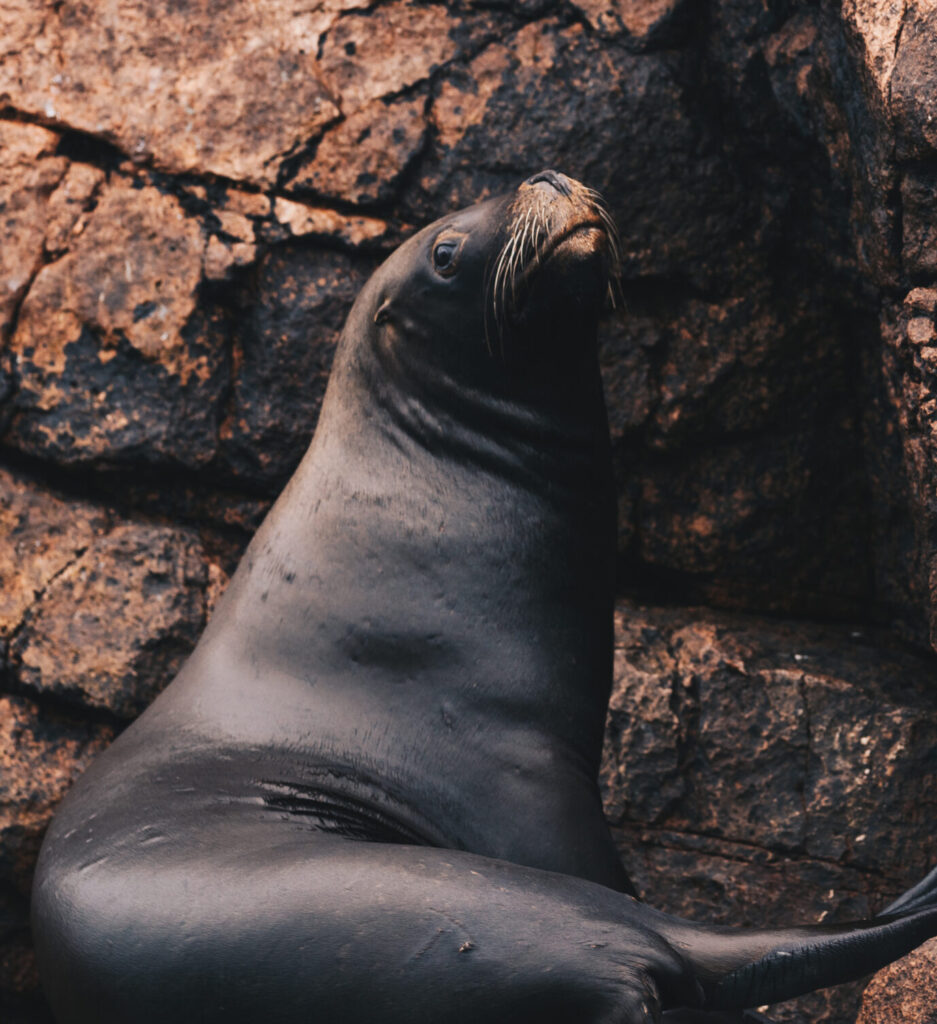
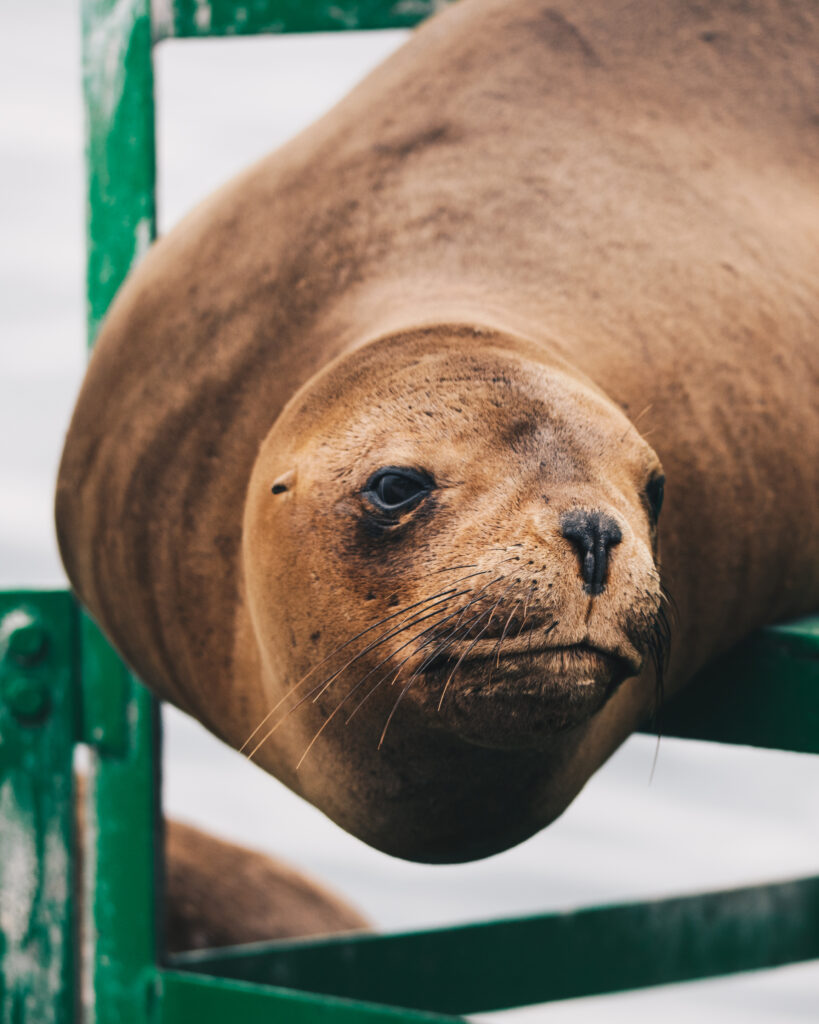
The main difference in the appearance of these two mammals, noticeable at first glance, are small outer ears or their absence. Seals have no outer ears, whereas Southern earlets have no outer ears. Which of the pictures do you see a seal on which sea lion?
How do you distinguish a female from a male sea lion?
Total species population Otaria flavescens is considered stable and is estimated to be 265 000 individuals. This species is characterized by strong gender dimorphism. Males reach a length of up to 3 m and a weight of 350 kg. However, females are much smaller, reaching a length of 2 m and a weight of 150 kg. Adult males are characterized by large heads with short, torn mouths and a long mane reaching to their shoulders. Their hair is mostly brown, with adult males being dark brown, while females almost yellowish.
So which of the pictures below shows the female and which male?
Sea lions: vocalizations and sounds in different situations
There are various vocalizations and sounds in South American sea lions, varying according to gender and age. Adult males make high noises during aggressive interactions. They bark and growl when determining territories and also growl when interacting with females. Females with young make maternal noises when interacting with their young and grunting during aggressive encounters with other females. The young make the main sounds of puppies.
You want to meet other animals in Islas Ballestas, Peru? We invite you to our other articles on this subject:
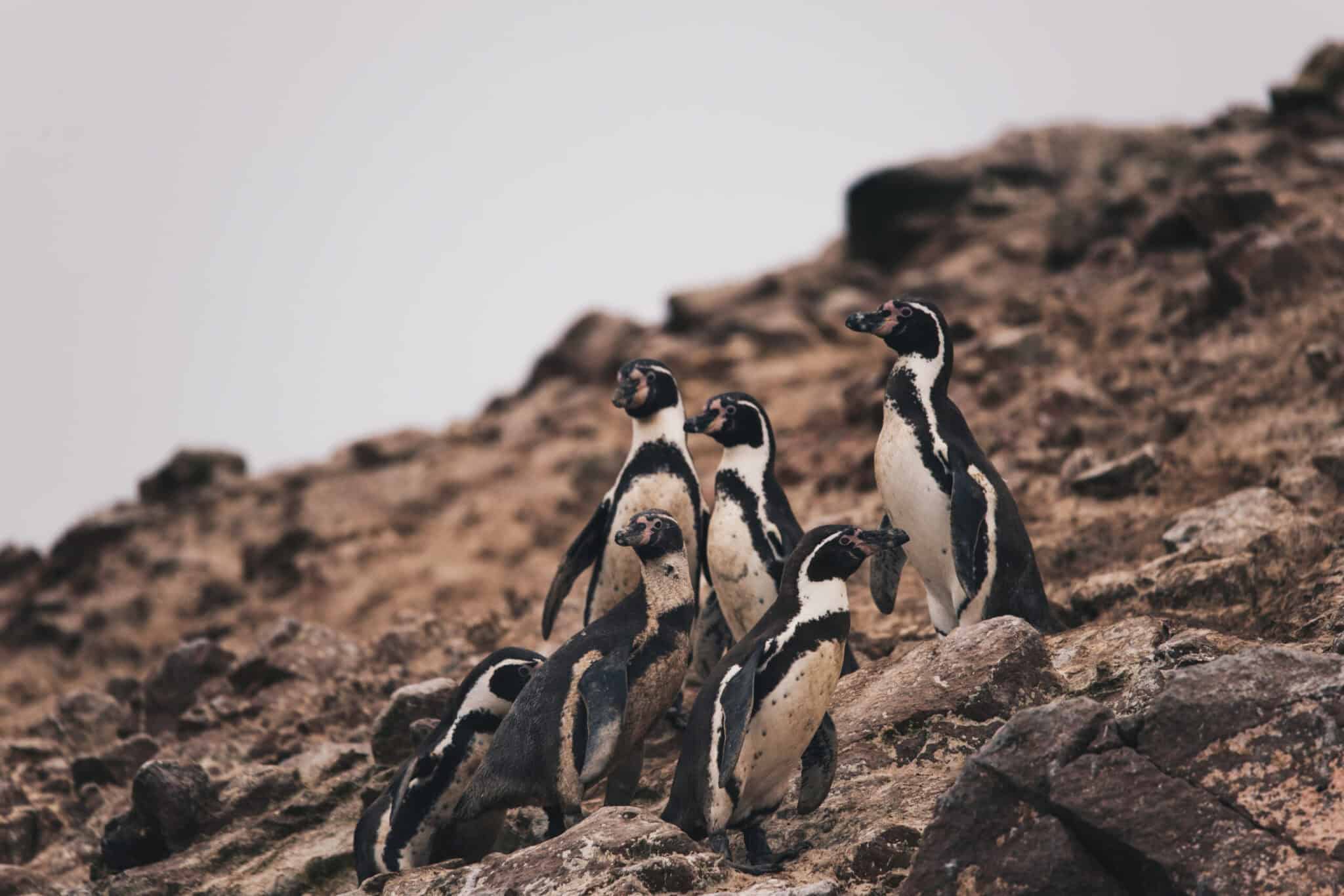
Peruvian penguins from Islas Ballestas
And this is where Islas Ballestas are:




Add comment